Commercial Slab Installation in Grand Rapids, MI
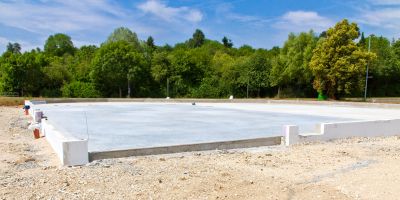
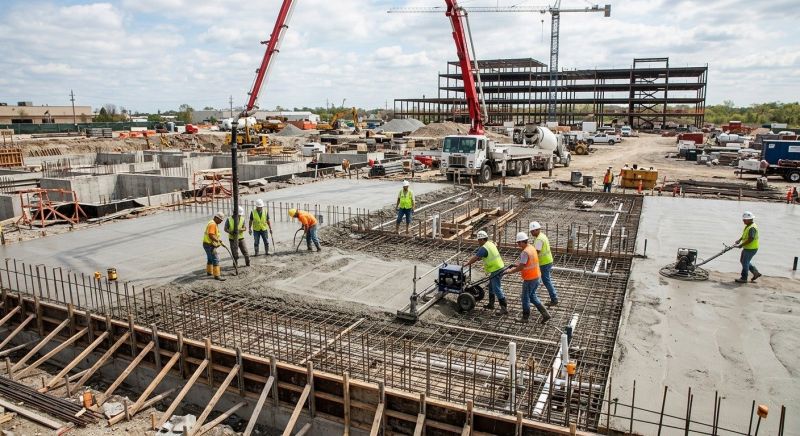
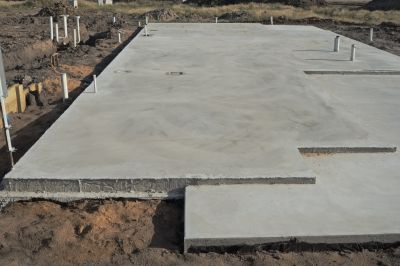
Commercial slab installation services involve preparing and pouring concrete foundations for a variety of property projects, including parking lots, loading docks, storage areas, and building pads. This process ensures a stable and level base that supports heavy equipment, vehicles, and structures. Property owners typically request this service when constructing new commercial facilities or expanding existing ones, and they often want to understand the scope of the project, the durability of the materials used, and how the installation will impact their property’s usability during and after construction.
Before requesting commercial slab installation, property owners should consider factors such as the size and design of the slab, the soil conditions at the site, and any specific load-bearing requirements. It’s also important to understand the necessary permits, the timeline for completion, and how the project will be integrated with other construction phases. Clear communication about these details can help ensure the project meets expectations and provides a solid foundation for future use.
Many property owners in Grand Rapids, MI look into Commercial Slab Installation for repairs, replacements, upgrades, and appearance-related improvements.
Types Of Commercial Slabs
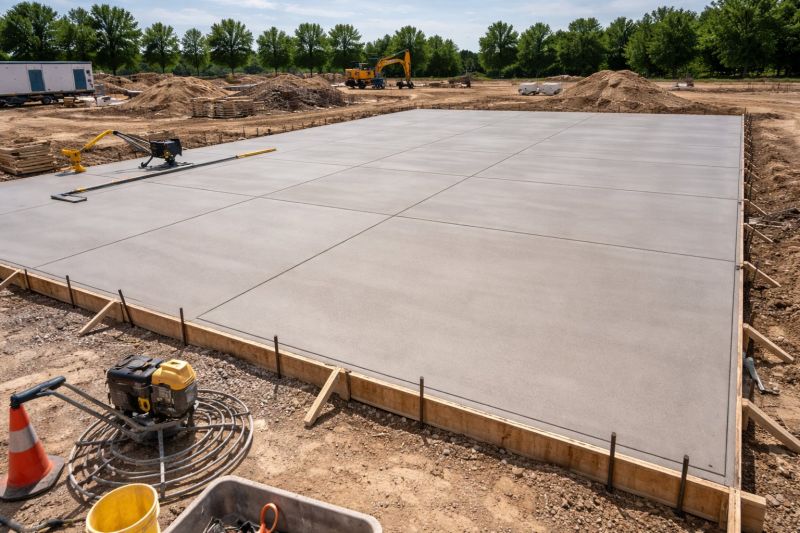
Different projects require various slab designs, including flat, reinforced, and elevated options.
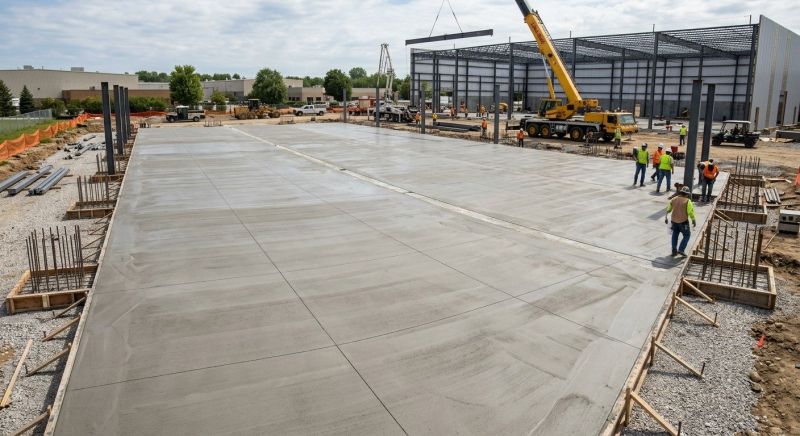
Common Applications
Commercial slabs are essential for parking lots, warehouse floors, retail spaces, and industrial facilities around grand rapids.
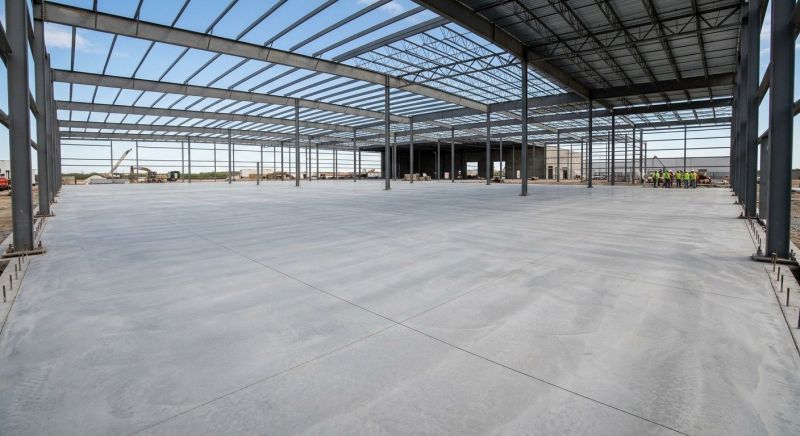
Key Considerations
Proper soil preparation, reinforcement, and drainage are crucial for durable and long-lasting slab installations.
Commercial Slab Installation in Grand Rapids, MI
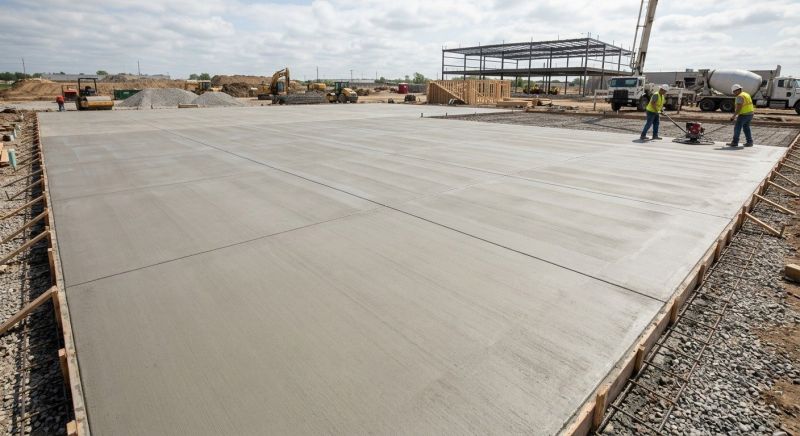
Commercial slab installation services involve preparing and pouring concrete foundations for a variety of property projects, including parking lots, loading docks, storage areas, and building pads. This process ensures a stable and level base that supports heavy equipment, vehicles, and structures. Property owners typically request this service when constructing new commercial facilities or expanding existing ones, and they often want to understand the scope of the project, the durability of the materials used, and how the installation will impact their property’s usability during and after construction.
Before requesting commercial slab installation, property owners should consider factors such as the size and design of the slab, the soil conditions at the site, and any specific load-bearing requirements. It’s also important to understand the necessary permits, the timeline for completion, and how the project will be integrated with other construction phases. Clear communication about these details can help ensure the project meets expectations and provides a solid foundation for future use.
Many property owners in Grand Rapids, MI look into Commercial Slab Installation for repairs, replacements, upgrades, and appearance-related improvements.
Common Commercial Slab Installation Jobs
Commercial Slab Installation - provides a durable foundation for retail, office, and industrial buildings.
Concrete Slab Pouring - involves laying a solid concrete base for parking lots and loading areas.
Foundation Slab Construction - supports the structural integrity of commercial warehouses and manufacturing facilities.
Flatwork and Reinforced Slabs - creates level surfaces for commercial walkways and service areas.
Site Preparation and Leveling - ensures proper ground conditions before slab installation begins.
Structural Slab Reinforcement - enhances durability for heavy equipment and high-traffic zones.
Commercial Slab Installation Questions
What types of projects require commercial slab installation? Commercial slab installation is often used for building foundations, parking lots, loading docks, and outdoor work areas on commercial properties.
What materials are commonly used for commercial slabs? Concrete is the most common material for commercial slabs due to its durability and strength, but other options may include reinforced concrete or specialized mixes for specific needs.
How thick should a commercial slab be? The thickness of a commercial slab depends on its intended use, typically ranging from 4 to 12 inches, with heavier loads requiring thicker slabs.
What should property owners consider before installation? It is important to consider soil conditions, drainage, and future load requirements to ensure the slab is properly designed and installed for long-term performance.
Request Commercial Slab Installation in Grand Rapids, MI
Use the quote form on this page to share the basics of your project and request more information for the type of work you need.